Siemens PLCs (Programmable Logic Controllers) are widely used in industrial automation in New Zealand due to their reliability, scalability, and advanced functionalities. However, before integrating Siemens PLC into your operations, it is crucial to understand the factors influencing Siemens PLC pricing and how to budget effectively. This article explores key cost considerations, helping you plan for a cost-effective implementation without overspending.
Factors That Influence Siemens PLC Pricing
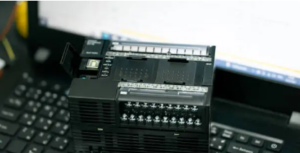 When budgeting for a Siemens PLC, several factors determine the overall cost. These include the model selection, system requirements, additional components, software licensing, and long-term maintenance. Understanding these aspects will help you make an informed financial decision.
1. PLC Model and Specifications
Siemens offers a range of PLCs designed for different industrial applications. Entry-level models are ideal for small-scale automation, while high-end models provide advanced functionalities for complex systems. The cost varies depending on processing power, memory capacity, communication capabilities, and I/O (input/output) module compatibility. Choosing the right model based on your operational needs ensures that you get the best value without unnecessary expenses.
2. I/O Modules and Expansion Needs
The number of I/O points required for your automation system significantly affects Siemens PLC pricing. Each PLC system may need digital and analog I/O modules to interface with sensors, actuators, and other external devices. If your system demands high I/O density or special function modules (such as motion control or safety modules), you must allocate additional funds for expansion.
3. Power Supply and Communication Modules
PLC systems often require dedicated power supplies and communication modules to integrate with existing industrial networks. Different Siemens PLCs support various communication protocols, such as Ethernet, PROFIBUS, and PROFINET, which influence pricing. Ensuring compatibility with your current infrastructure can prevent costly retrofitting or additional hardware investments.
4. Programming Software and Licensing
Siemens PLCs use proprietary programming software, such as TIA Portal (Totally Integrated Automation), which requires licensing. The cost of software depends on the required features, including simulation tools, data logging, and remote access capabilities. Some advanced software versions also require annual subscriptions or additional modules for industry-specific applications. Factoring in software costs ensures smooth implementation without unexpected expenses.
5. Installation and Integration Costs
Beyond hardware and software, another factor influencing Siemens PLC pricing is the cost of installing and integrating a Siemens PLC into your automation system should be considered. Expenses may include engineering design, electrical wiring, enclosure setup, and panel fabrication. If professional assistance is required, hiring experienced technicians or automation engineers will add to the overall budget.
6. Training and Skill Development
Efficient PLC operation and maintenance require skilled personnel. Investing in Siemens PLC training for operators and engineers ensures that your team can program, troubleshoot, and optimise the system effectively. Training costs vary depending on course duration, certification level, and whether it is conducted online or in person. Allocating funds for employee development can lead to long-term savings by reducing system downtime and reliance on external support.
7. Maintenance and Spare Parts
Like any industrial equipment, Siemens PLCs require regular maintenance to ensure optimal performance. Budgeting for preventive maintenance, firmware updates, and spare parts such as relays, power supplies, or backup modules can prevent costly breakdowns. Additionally, considering extended warranties or service agreements may provide financial security against unexpected failures.
8. Scalability and Future Expansion
Planning for future growth is an essential part of budgeting for Siemens PLC. If your automation needs are likely to expand, selecting a scalable PLC model can minimise future upgrade costs. Some systems allow for seamless expansion by adding I/O modules or upgrading firmware, reducing the need for complete replacements down the line.
Cost-Effective Strategies for Siemens PLC Implementation
To optimise your budget while implementing a Siemens PLC, consider the following strategies:
- Conduct a Thorough Needs Assessment: Identify your automation requirements and choose a PLC model that meets your needs without over-specification.
- Leverage Used or Refurbished Components: In some cases, used or refurbished Siemens PLCs and accessories can provide cost savings while maintaining reliability.
- Bundle Hardware and Software Purchases: Some suppliers offer discounts on bulk purchases or bundled packages, which can reduce overall expenditure.
- Seek Vendor Support and Training: Siemens and authorised distributors often provide free training materials, technical support, and software trials to help reduce initial costs.
- Plan for Modular Expansion: Investing in a scalable system from the outset can save money in the long term by avoiding complete system overhauls.
Conclusion
Siemens PLC pricing depends on various factors, including model specifications, software licensing, installation, and long-term maintenance. By understanding these cost components and implementing smart budgeting strategies, businesses can effectively integrate Siemens PLCs without exceeding financial constraints. A well-planned budget ensures that your automation system remains cost-efficient, reliable, and scalable for future growth.